
"first ten feet"
200 article(s) found

Coffee producing areas in Yemen
Before the 6th century AD, Yemen was called Arabia, so coffee trees shipped from Yemen to other places were also called Arabian coffee trees.

A brief introduction to the planting market price of Yemeni boutique coffee bean varieties with endless aftertaste
The origin of these trees is Ethiopia. Yemen is the first country in the world to produce coffee on a large scale as a crop. Today, Yemeni coffee farmers still produce coffee in the same way as they did 500 years ago. Coffee berries grow naturally on trees, without any artificial fertilizers or pesticides, receive a small amount of rain and fog on the hillside in summer, blossom and bear fruit.

Global Coffee producing area in Yemen
Before the 6th century AD, Yemen was called Arabia, so coffee trees shipped from Yemen to other places were also called Arabian coffee trees. But the origin of these trees is Ethiopia. Yemen is the first country in the world to produce coffee on a large scale as a crop. Today, coffee farmers in Yemen still use the same method to produce coffee as they did 500 years ago.
Global coffee producing area-Yemen
Before the 6th century AD, Yemen was called Arabia, so coffee trees shipped from Yemen to other places were also called Arabian coffee trees.

Global Coffee producer-Yemeni Coffee Market
Before the 6th century AD, Yemen was called Arabia, so coffee trees shipped from Yemen to other places were also called Arabian coffee trees. But the origin of these trees is Ethiopia. Yemen is the first country in the world to produce coffee on a large scale as a crop. Today, coffee farmers in Yemen still use the same method to produce coffee as they did 500 years ago.
Boutique coffee recommends coffee from Yemen
Before the 6th century AD, Yemen was called Arabia, so coffee trees shipped from Yemen to other places were also called Arabian coffee trees. But the origin of these trees is Ethiopia. Yemen is the first country in the world to produce coffee on a large scale as a crop. Today, coffee farmers in Yemen still use the same method to produce coffee as they did 500 years ago.

Yemeni Coffee Features and Markets of Yemeni Coffee
Yemen was known as Arabia until the 6th century AD, so coffee trees transported from Yemen to other places were also called Arabic coffee trees. But the origin of these trees is Ethiopia. Yemen was the first country in the world to produce coffee on a large scale as an agricultural crop. Yemeni coffee farmers still produce coffee the same way they did 500 years ago.

Yemeni coffee introduction, how to drink Yemeni coffee
Following Cafe Review (official Wechat account vdailycom) found that Beautiful Cafe opened a small shop of its own origin: Yemeni Grade: excellent granules: full acidity: slightly sour and strong aftereffect, but also sweetness evenness: more stable baking: moderate flavor: with chocolate flavor, slightly alcoholic flavor, spicy stimulation Ethiopia is the first country in the world to find coffee, but Yemen

Professional or business? On the importance of coffee in coffee shops.
Exchange of professional baristas Please follow the coffee workshop (Wechat official account cafe_style) A reader e-mail told me that I seem to emphasize the importance of coffee too much, in addition to coffee, coffee shops should have other space that can be played and shaped. Like the planning of space, the tonality of music, the style of the boss, the dishes with, and so on! Cafes are multifaceted and diversified.

Coffee in Yemen details the origin of coffee in Yemen
Before the 6th century AD, Yemen was called Arabia, so coffee trees shipped from Yemen to other places were also called Arabian coffee trees. But the origin of these trees is Ethiopia. Yemen is the first country in the world to produce coffee on a large scale as a crop. Today, coffee farmers in Yemen still use the same method to produce coffee as they did 500 years ago.

Coffee lovers can't miss the best coffee in the world.
I believe that there must be coffee in your life, as an experienced life, the understanding of coffee is not just about lattes, cappuccinos, mochas and so on! You must also know that these ten best coffees in the world. 1. Super Blue Mountain Coffee ◆ Origin: Caribbean Central American ◆ characteristics: mellow, full aftertaste ◆ selected flavor properties similar to pure Blue Mountain Coffee
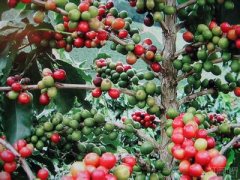
Yemeni coffee beans from 12 famous high-quality coffee producing areas
Before the 6th century AD, Yemen was called Arabia, so coffee trees shipped from Yemen to other places were also called Arabian coffee trees. But the origin of these trees is Ethiopia. Yemen is the first country in the world to produce coffee on a large scale as a crop. Today, coffee farmers in Yemen still use the same method to produce coffee as they did 500 years ago.

A brief introduction to the planting market price of Yemeni boutique coffee beans with complete grain shape
The origin of these trees is Ethiopia. Yemen is the first country in the world to produce coffee on a large scale as a crop. Today, Yemeni coffee farmers still produce coffee in the same way as they did 500 years ago. Coffee berries grow naturally on trees, without any artificial fertilizers or pesticides, receive a small amount of rain and fog on the hillside in summer, blossom and bear fruit.

Yemeni coffee beans with endless aftertaste Geographical location Climate Altitude Profile
Yemen coffee origin: Yemen produces bean-shaped berry coffee beans (Peaberrybean): This coffee bean is smaller and rounder than most coffee beans, looks like peas, and is sometimes called mocha coffee beans. Mocha coffee beans are similar in shape to Ethiopian Harrar coffee beans, which are granular.

Spicy and stimulating Yemeni fine coffee beans Flavor Taste Aroma Description Introduction
Mokha Mattari: A coffee market name from Bani Mattar(also spelled Bany Mattar) province west of Sanaa, Yemen. Coffee grown at high altitudes, usually with good red wine aromas, dry fruit flavors, thick taste, deep roast often showing chocolate bitter sweetness. Good quality martali. Small beans.

Yemeni coffee beans with unique flavor Origin and development History and culture
Mokha Mattari: A coffee market name from Bani Mattar(also spelled Bany Mattar) province west of Sanaa, Yemen. Coffee grown at high altitudes, usually with good red wine aromas, dry fruit flavors, thick taste, deep roast often showing chocolate bitter sweetness. Good quality martali. Small beans.

Mocha coffee Yemeni mocha is good? Does mocha mean mocha pot?
"Mocha Coffee" Yemeni mocha, what exactly is "mocha"? Is the mocha good? Does mocha mean mocha pot? There are many answers to this question. Some people say that mocha is a certain place of origin, and some people remember that mocha is sweet chocolate coffee. In fact, authentic mocha coffee is only produced in the Republic of Yemen in the southwest of the Arabian Peninsula and grows at an altitude of 3,000 to 8.

What boutique coffee beans are there in Yemen?
For more information on coffee beans, please follow the coffee workshop (Wechat official account cafe_style) Mokamadali (Mokha Mattari): the most famous coffee market name in the province of Mardali, west of the Yemeni capital Sanaa (another word is Bany Mattar). It is coffee produced at high altitude and usually has good red wine.

What is the certification of authentic Jamaican Blue Mountain Coffee? The flavor and taste of Blue Mountain Coffee? Front street coffee
Professional coffee knowledge exchange more coffee bean information please follow the coffee workshop (Wechat official account cafe_style) authentic Jamaica Blue Mountain Coffee have what certification? The flavor and taste of Blue Mountain Coffee? The price of the authentic Jamaican Blue Mountain Coffee on the front street? Front street Jamaica blue mountain coffee beans authentic BlueMount blue mountain NO.1 coffee 100g roasted blue mountain coffee is the world

A brief introduction to the cultivation of Yemeni boutique coffee beans with unique flavor, geographical location, climate and altitude
Yemeni coffee market: Yemeni coffee is exported from December to April of the following year. The problem in the past has been that coffee from the north was mixed with shoddy stuff before it was shipped from the southern port of Aden. Only coffee shipped from the port of Hodeida can be determined to come from the north. The vast majority of coffee in Yemen is grown under natural conditions, mainly